
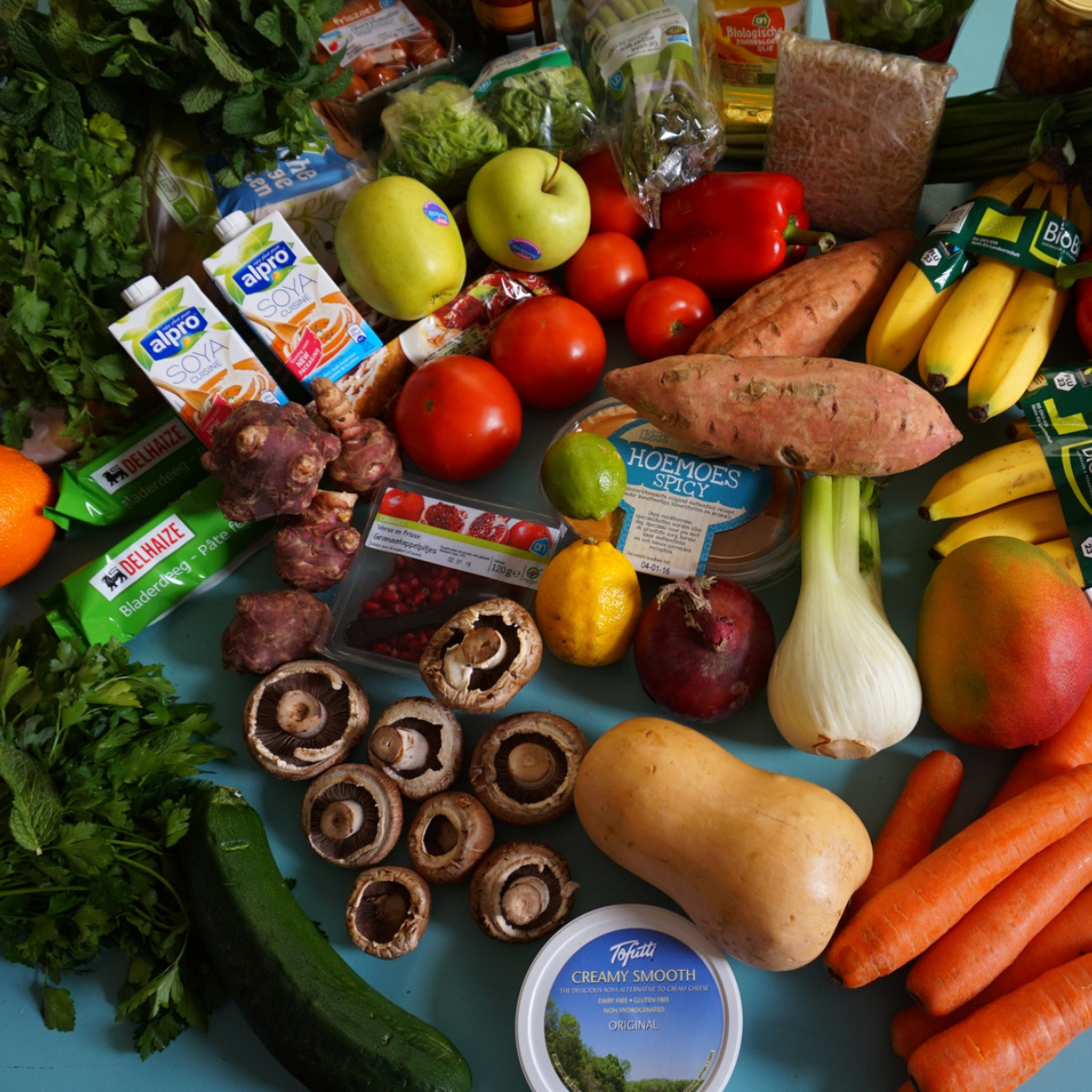
A recent report from the Education Policy Center details the way that food insecurity is affecting Alabamians, especially those who live in the Black Belt. The Black Belt is a rural region of Alabama named for its deeply colored, nutrient-rich soil; its communities are disproportionately made up of African Americans. According to the report, Black Belt residents experience food insecurity at a rate of 18.5%, higher than the statewide average of 17.4%. The authors attribute this discrepancy to a lack of adequate, accessible grocery stores in the region and recommend that the state pursue grant funding to improve grocery access in rural communities and partner with local retailers and community organizations to create more food pantries in areas where groceries are least accessible. Our Health Equity advocates for practical solutions that ensure widespread access to nutritious and accessible food for all Americans. Read more here.
